
By Jo Ann Gramlich, M.S., Speech-Language Pathologist
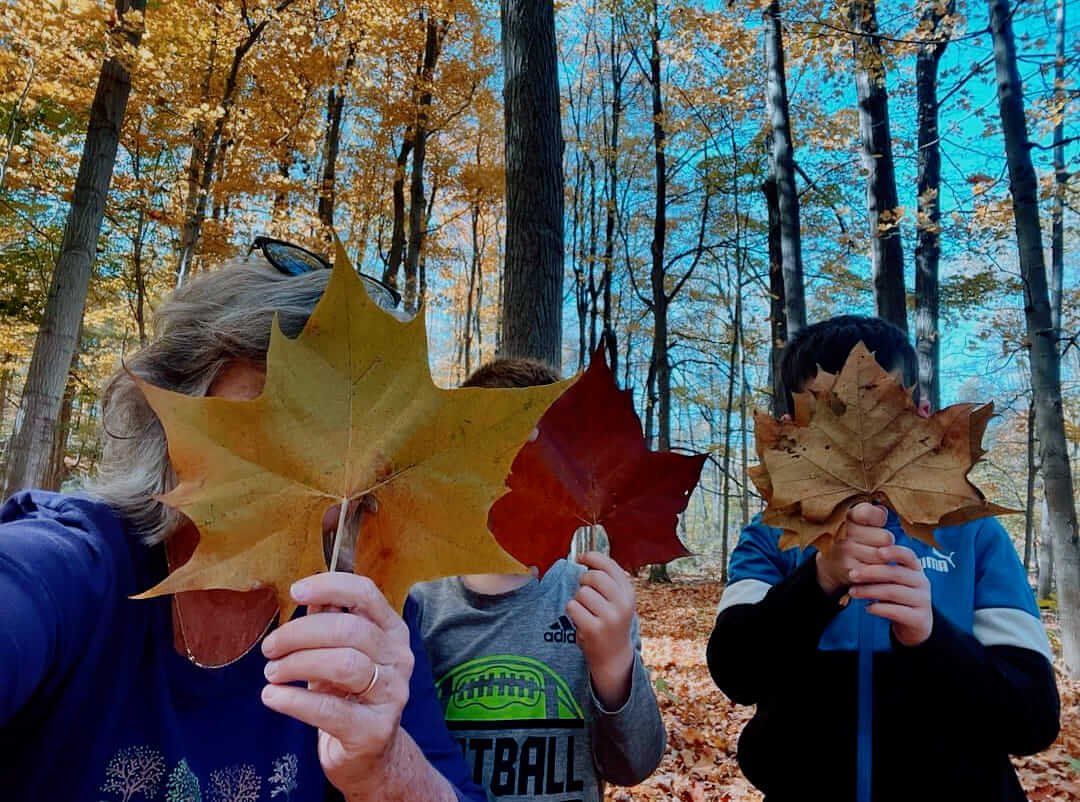
Autumn is a beautiful time to slow down, step outside, and enjoy the little moments with children. Colorful leaves, crisp air, and changing scenery offer opportunities for exploration, conversation, and discovery.
And the best part? You don't need elaborate activities or expensive materials to make these experiences meaningful.
Sometimes, all it takes is a walk through the neighborhood, a pile of leaves, or a few minutes spent exploring together.
Nature Is Full of Language-Learning Opportunities
Children are naturally curious about the world around them. They love to touch, explore, ask questions, and discover new things.
A simple walk outdoors can become a meaningful language-learning experience when adults talk about what children see, hear, and feel.
If your child picks up a colorful leaf, you might say:
· "Look at that big yellow leaf!"
· "This one feels crunchy. How does yours feel?"
· "I wonder why the leaves are falling."
· "Can you find another leaf that's a different color?"
These everyday conversations introduce new vocabulary, encourage observation, and help children connect words with real experiences.
Follow Your Child's Lead
One of the best ways to encourage communication is to notice what interests your child.
Maybe they want to collect leaves, jump in a pile of them, or watch a squirrel running across the yard.
Join in their excitement!
When adults respond to children's interests, conversations become more natural and meaningful. Children are often more motivated to communicate when they're talking about something they enjoy.
Remember, you don't have to ask questions constantly. Sometimes, simply describing what your child is doing encourages communication without interrupting their play.
Turn Fall Activities Into Learning Experiences
Collect colorful leaves. Compare their colors, shapes, and sizes. Talk about which ones are bigger, smaller, smoother, or crunchier.
Take a nature walk. Listen for birds, rustling leaves, or footsteps crunching along the path. Talk about what you notice together.
Create a pretend adventure. A pile of leaves might become a mountain, an animal's cozy home, or a magical forest. Pretend play encourages imagination, storytelling, and language.
Remember your adventures. After returning home, talk about what you did together. Ask your child about their favorite part of the day. Looking at photographs from your outing can also encourage children to recall and describe their experiences.
Connection Matters More Than Perfection
Supporting your child's development doesn't require carefully planned lessons or structured activities.
Some of the most meaningful learning happens when we're simply present.
A child showing you a special leaf, laughing while jumping in a pile of leaves, or sharing a story about something they discovered may seem like an ordinary moment.
But these experiences help build language, confidence, and connection.
When we slow down, listen, and respond to children's ideas, we show them that their words and discoveries matter.
Talk, Play, & Read Tip
Follow their interest, then add a little language.
If your child says, "Leaf!" you might respond, "A big red leaf!"
If your child says, "Squirrel!" you could say, "The squirrel is running up the tree!"
Simple interactions like these help children build vocabulary and learn to express their ideas.
So, take the walk. Collect the leaves. Share the stories.
Because sometimes the smallest moments create the most meaningful connections.
Little moments matter.
Explore more ways to support early language and literacy development at Talk, Play, & Read.