
Why Children Learn Best Through Connection, Comfort, and Play
By Jo Ann Gramlich, MS, CCC-SLP
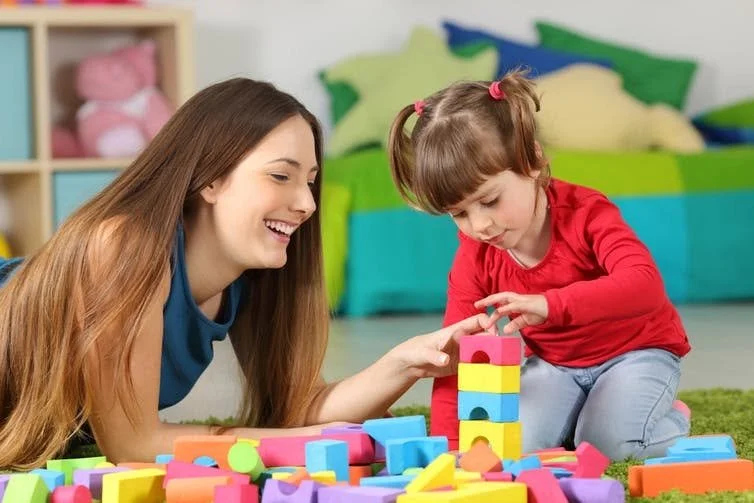
Children learn best when they feel safe, connected, and engaged with the people around them. While educational toys, structured activities, and academic skills all have value, some of the most important learning happens through everyday moments of connection, comfort, and play.
Young children develop language and communication skills through relationships. They learn by listening to voices, watching facial expressions, interacting during play, and sharing experiences with caring adults.
Connection is not separate from learning. It is the foundation of learning.
Connection Builds Communication
From infancy, children begin learning through interaction. Everyday conversations, playful exchanges, and responsive communication help children understand language long before they begin speaking.
Simple interactions support development in powerful ways:
· Talking during routines
· Singing songs together
· Reading books aloud
· Playing pretend games
· Responding to a child’s gestures and sounds
· Encouraging back-and-forth interaction
These experiences help children build vocabulary, listening skills, social understanding, and confidence.
Children do not learn language best through pressure or perfection. They learn through meaningful interaction with people who make them feel seen, heard, and supported.
Comfort Helps Children Feel Ready to Learn
Children are more likely to explore, communicate, and participate when they feel emotionally secure.
Comfort may come from:
· Familiar routines
· Favorite books
· Caring relationships
· Cozy reading moments
· Predictable environments
· Familiar toys or comforting companions
When children feel calm and connected, they are often more open to communication and learning.
This is one reason why routines such as bedtime stories, quiet playtime, and shared reading moments can become such valuable learning opportunities.
Play Is a Natural Way Children Learn
Play is not simply entertainment for children. It is one of the primary ways young children explore the world around them and develop important skills.
During play, children practice:
· Problem solving
· Creativity
· Social interaction
· Sequencing
· Turn-taking
· Imagination
· Expressive language
· Listening and comprehension
Play-based learning helps children stay engaged while naturally building communication skills.
Whether children are building with blocks, pretending to cook dinner, caring for dolls, or acting out favorite stories, they are learning through interaction and imagination.
You can learn more about the Talk, Play, & Read approach to early communication and connection here: https://www.talkplayandread.com/the-method
The Power of Everyday Moments
Parents and caregivers sometimes feel pressure to create elaborate activities or follow perfect routines. In reality, many meaningful learning opportunities happen during ordinary moments throughout the day.
Talking while folding laundry. Reading before bed. Playing with stuffed animals. Singing in the car. Asking simple questions during meals.
These moments may seem small, but they help children develop communication, confidence, and connection over time.
Supporting Lifelong Learning
Early connection and communication experiences help create strong foundations for future learning.
Children who feel supported and engaged are more likely to:
· Participate in conversations
· Build confidence
· Develop strong social skills
· Enjoy books and learning experiences
· Express themselves more comfortably
· Build positive relationships with others
At Talk, Play, & Read, we believe that connection, comfort, and play are essential parts of early learning and language development. Through meaningful interactions and everyday experiences, children develop the skills they need to grow, communicate, and thrive.
Little moments truly matter.