
By Jo Ann Gramlich, MS, CCC-SLP
Watching your little one grow and learn to communicate is one of the most exciting parts of early childhood. From their first “mama” or “dada” to the joy of complete sentences, each word feels like a milestone. But what if your child’s speech and language skills don’t seem to be developing as expected?
That’s when many parents start to wonder: “Does my toddler need speech therapy?”
Understanding Typical Speech and Language Development
Every child develops at their own pace, but there are general speech and language milestones that provide a helpful guide.
By age 2, most toddlers:
• Use at least 50 words but up to 200 words
• Begin to combine two words (like “more juice” or “mommy go”)
• Can follow simple directions
• Are understood by parents about 50% of the time
By age 3, they typically:
• Have a vocabulary of 900 – 1,000 words
• Speak in short sentences (3 to 5-word sentences)
• Can be understood by familiar adults most of the time
Explore ASHA’s developmental chart: https://www.asha.org/public/speech/development/chart/
Signs Your Toddler Might Need Speech Therapy
While all children develop differently, some signs may indicate that a speech-language evaluation could be helpful:
• Limited use of words or gestures by 18 months
• Difficulty following directions or understanding simple phrases
• Frustration when trying to communicate
• Unclear speech that even familiar adults can’t understand
• Lack of interest in social interaction or play
If you notice several of these signs, consider reaching out to a certified speech-language pathologist (SLP). Early support can make a big difference.
Why Early Intervention Matters
Early intervention is key because a child’s brain is rapidly developing during the first few years of life. Early speech therapy can help prevent future academic and social challenges.
Through play-based and interactive techniques, speech therapy helps toddlers:
• Improve expressive and receptive language
• Strengthen listening and attention skills
• Boost confidence in communicating
What Speech Therapy Looks Like for Toddlers
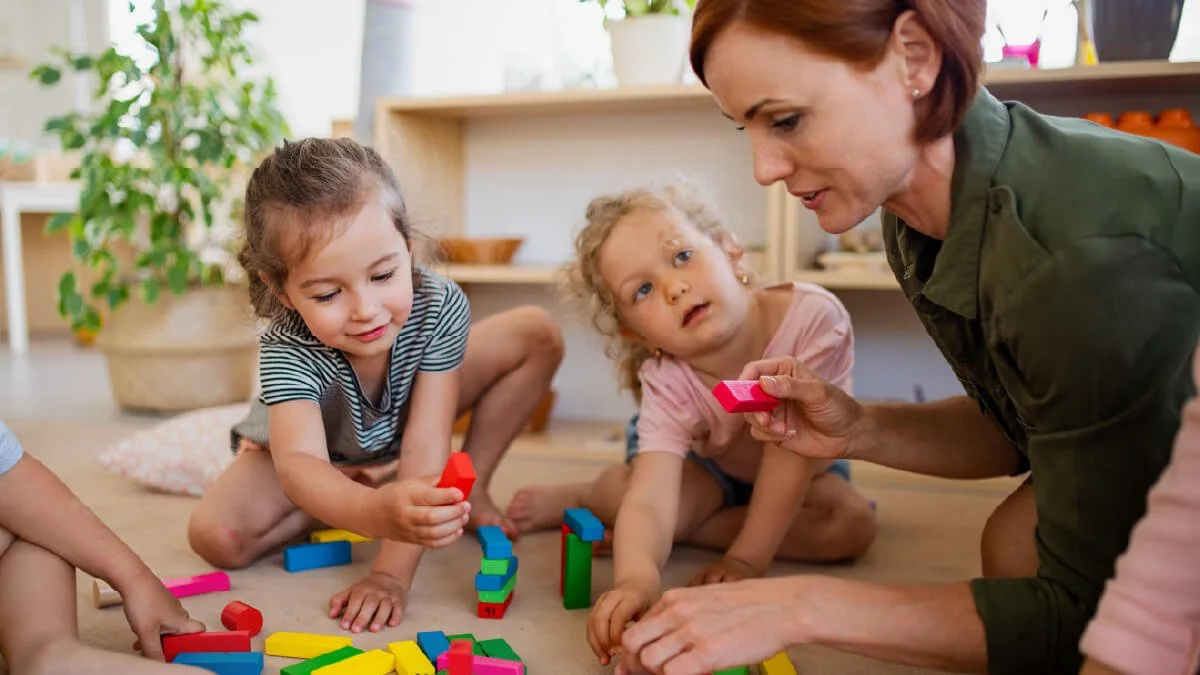
Speech therapy for toddlers is designed to feel like play!
An SLP might use:
• Toys, books, and games to encourage speech and turn-taking
• Songs, gestures, and storytelling to expand vocabulary
• Parent coaching so caregivers can continue learning activities at home
Books:
• Talk, Play, And Read With Me Mommy
• Talk, Play, And Read With Me Daddy
The Takeaway: Trust Your Instincts
If you have concerns about your toddler’s communication skills, trust your intuition. A professional evaluation can provide reassurance, guidance, and if needed, early support to help your child thrive.
Speech therapy isn’t just about correcting speech. It’s about building confidence, connection, and communication that lasts a lifetime.
Explore More from Talk, Play, and Read
• Helping Toddlers Build Vocabulary Through Play
• Fun Reading Routines to Boost Language Development
• The Behind Cycle: Helping Children Read and Succeed