
Building School Readiness Through Everyday Moments
By Jo Ann Gramlich, MS, CCC-SLP
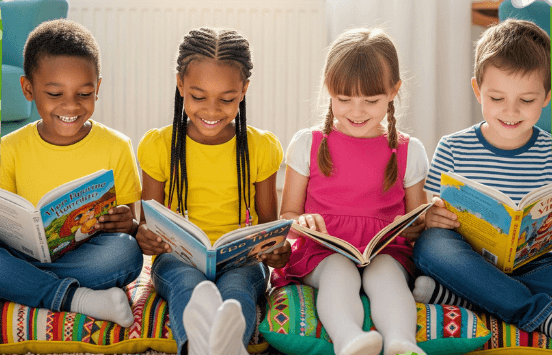
As a new school year approaches, many parents begin wondering how they can help prepare their children for success in the classroom. While it's natural to think about letters, numbers, and academic skills, true school readiness involves much more. Children develop readiness skills through everyday experiences that encourage communication, problem-solving, independence, confidence, and curiosity.
One of the best ways to support school readiness is through meaningful conversation. During meals, car rides, walks, and daily routines, encourage your child to talk about what they see, hear, and experience. Ask open-ended questions, introduce new vocabulary, and expand on their responses. These simple interactions help strengthen language skills while building confidence in expressing ideas.
Reading together also plays an important role in preparing children for school. Books introduce new vocabulary, strengthen listening skills, support comprehension, and encourage children to think about the world around them. As you read, pause to discuss the characters, predict what might happen next, and talk about important events in the story. These conversations help children become active participants in the reading experience. Books, including stories from the Ruby & Louie collection, can provide opportunities for children to build vocabulary, strengthen listening skills, and engage in meaningful conversations. When reading becomes interactive, children develop important skills that support future learning.
School readiness can also be supported through play. Building with blocks, completing puzzles, sorting objects, matching colors, and engaging in pretend play all help children develop important thinking skills. Through play, children learn to solve problems, follow directions, take turns, and communicate with others.
Hands-on activities provide additional learning opportunities. Drawing, coloring, cutting, gluing, and using simple manipulatives help strengthen fine motor skills while encouraging creativity and attention. Children often learn best when they are actively involved in the learning process.
Talk • Play • Create
Talk: Ask your child to describe objects using colors, sizes, shapes, or other descriptive words.
Play: Go on a shape hunt or color hunt around your home or neighborhood.
Create: Draw and color a picture using circles, squares, rectangles, and triangles.
It's important to remember that school readiness is not about perfection. Every child develops at their own pace. What matters most is providing opportunities for meaningful interaction, exploration, and learning throughout the day.
By focusing on connection, communication, play, and exploration, you can help your child build the confidence and skills needed for a successful start to the school year. Sometimes the most powerful learning experiences happen during the ordinary moments we share together.